
Tuai Cerita

Spotlighting children's rights & child labour issues in Sabah

What's it about?

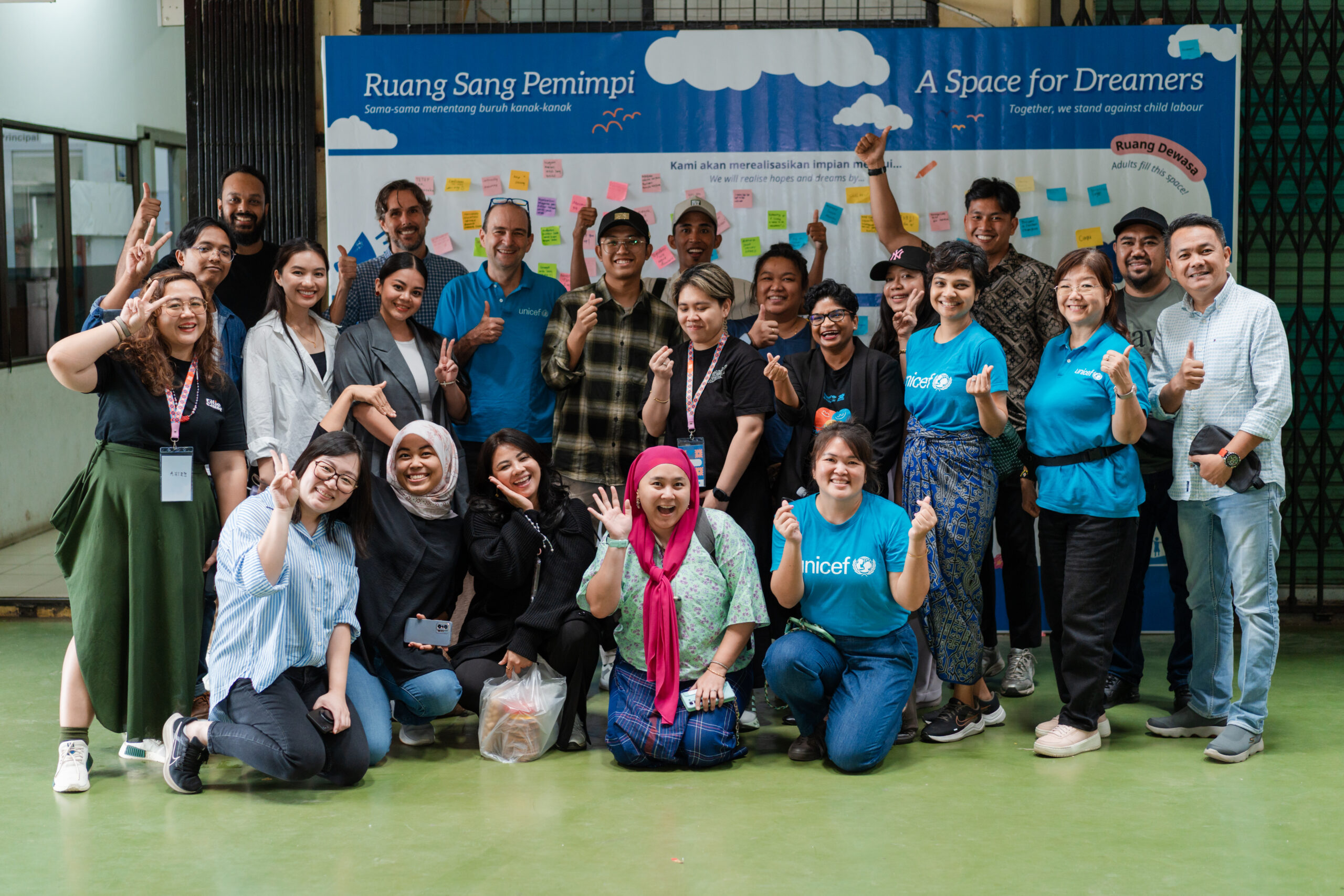
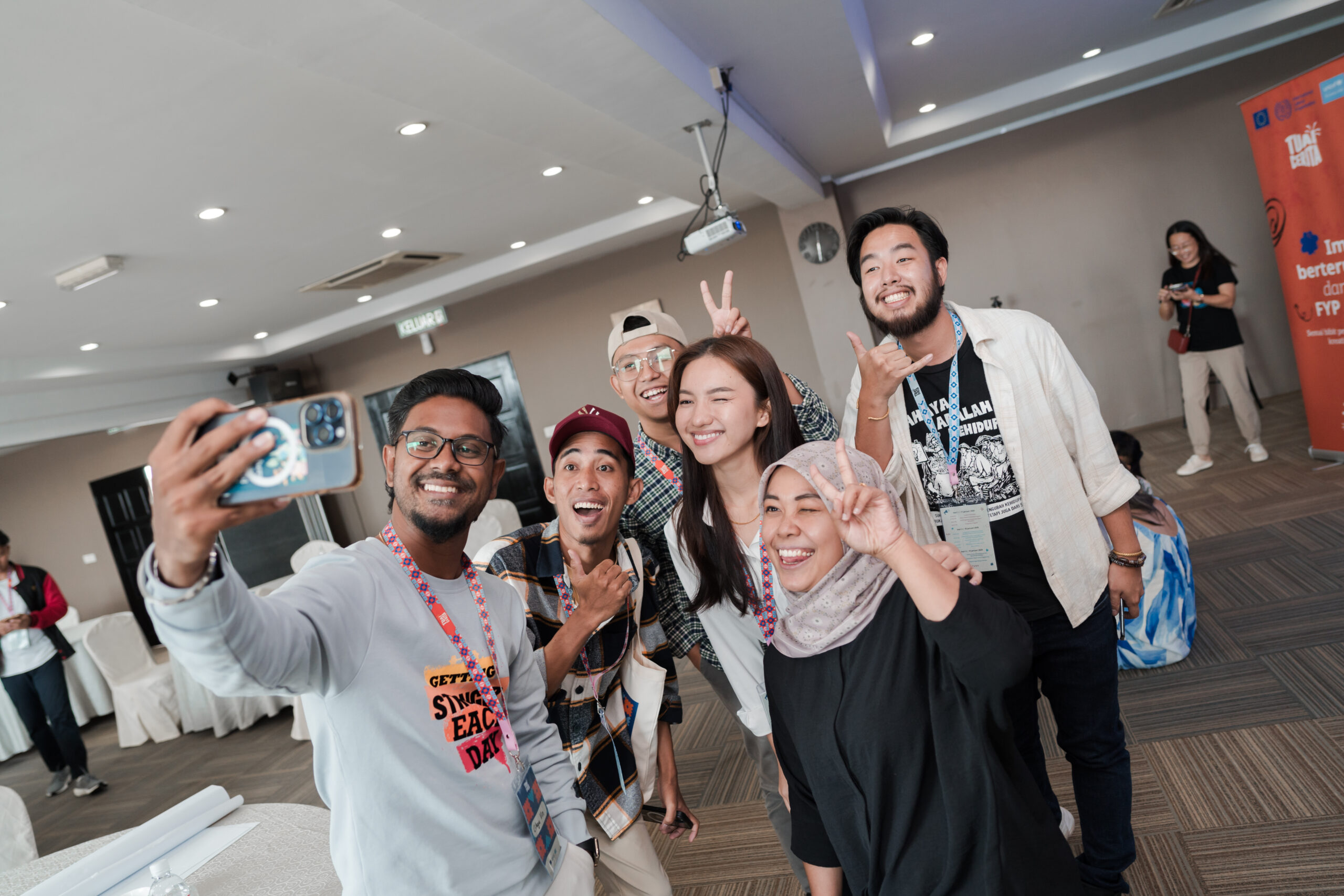
Tuai Cerita was a fellowship that sought to empower media professionals and content creators to better understand the realities of plantation communities in Sabah, and to shine a spotlight on children’s rights and child labour.

The Cause

  • Child Rights & Protection

Year

2025

Our Services

  • Attitudes & Behavioural Change Programmes and Fellowships
  • Strategy Development
  • Media Engagement

What’s the Social Issue?

Child labour is a pressing issue within Malaysia’s palm oil industry, particularly in plantation communities, where access to education and child protection services can be limited. These challenges leave many children vulnerable and at risk of missing out on their fundamental right to education.

Yet for many outside these communities, these realities remain largely unseen.

The Challenge

Child labour has become socially accepted within Sabah's local communities - stemming from systemic inequalities that contribute to hardcore poverty in the state. This practice is reinforced by the fact that only primary education is compulsory under government policy, and children contributing to household income is seen as necessary rather than a form of exploitation.

What We Did

01

We served as the implementation partner to the programme, which itself was driven by ANAK and Global Shepherds, supported by the EU, International Labour Organisation (ILO), and UNICEF Malaysia.

02

Immersive Induction

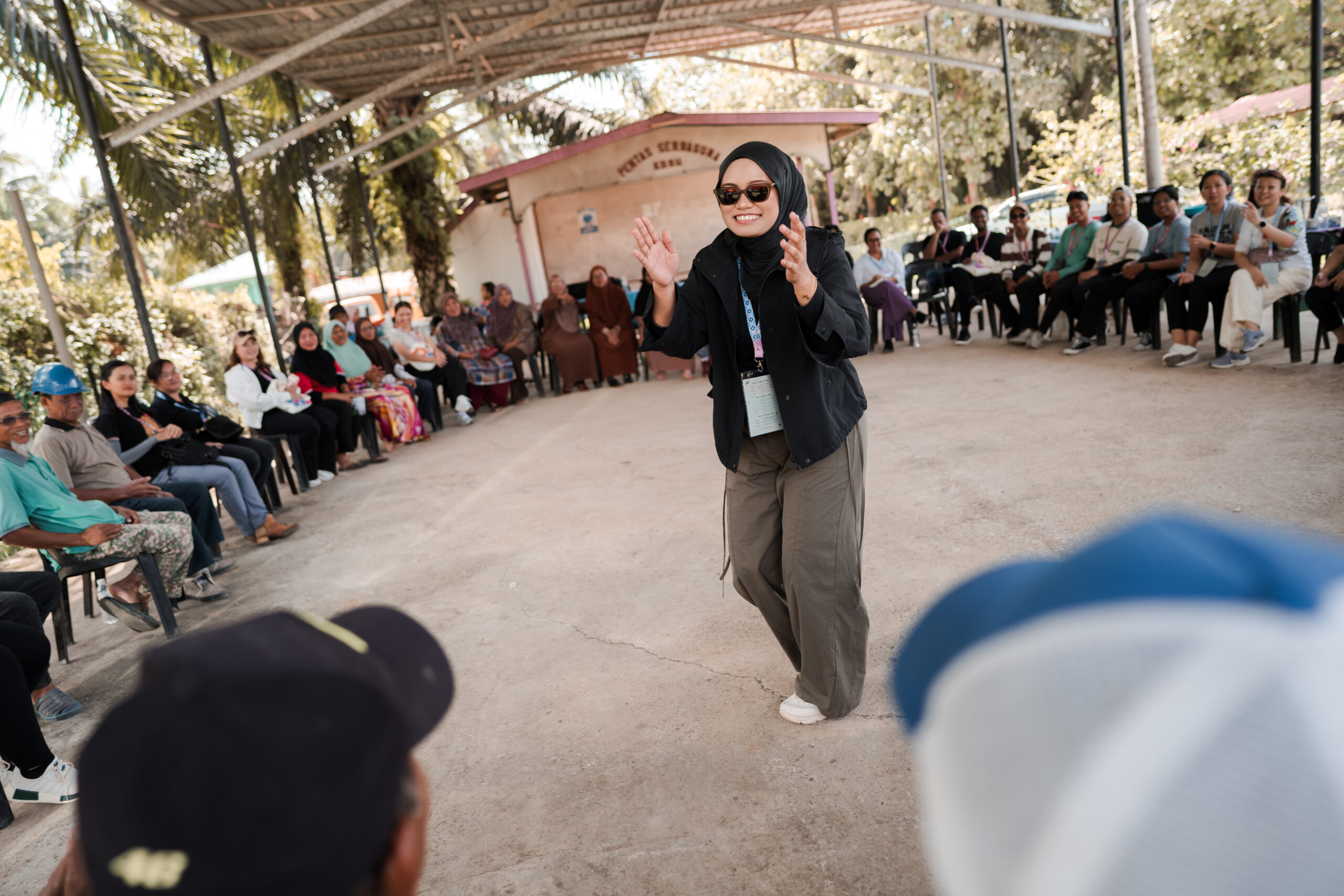
Kicking off in Tawau, Sabah, our 15 fellows met with programme partners, mentors, and other participants in an immersive induction session which took them to a local plantation community.

Rather than learning about the issue from a distance, the fellows were immersed in the lived experiences of children, families, and educators on the ground.

03

Masterclass Series

Fellows deepened their understanding of child labour laws, ethical reporting, and responsible storytelling through a series of online masterclasses.

Sessions were led by issue experts and industry practitioners to ensure participants approached the topic with both accuracy and empathy.

04

Hands-on Learning Trips

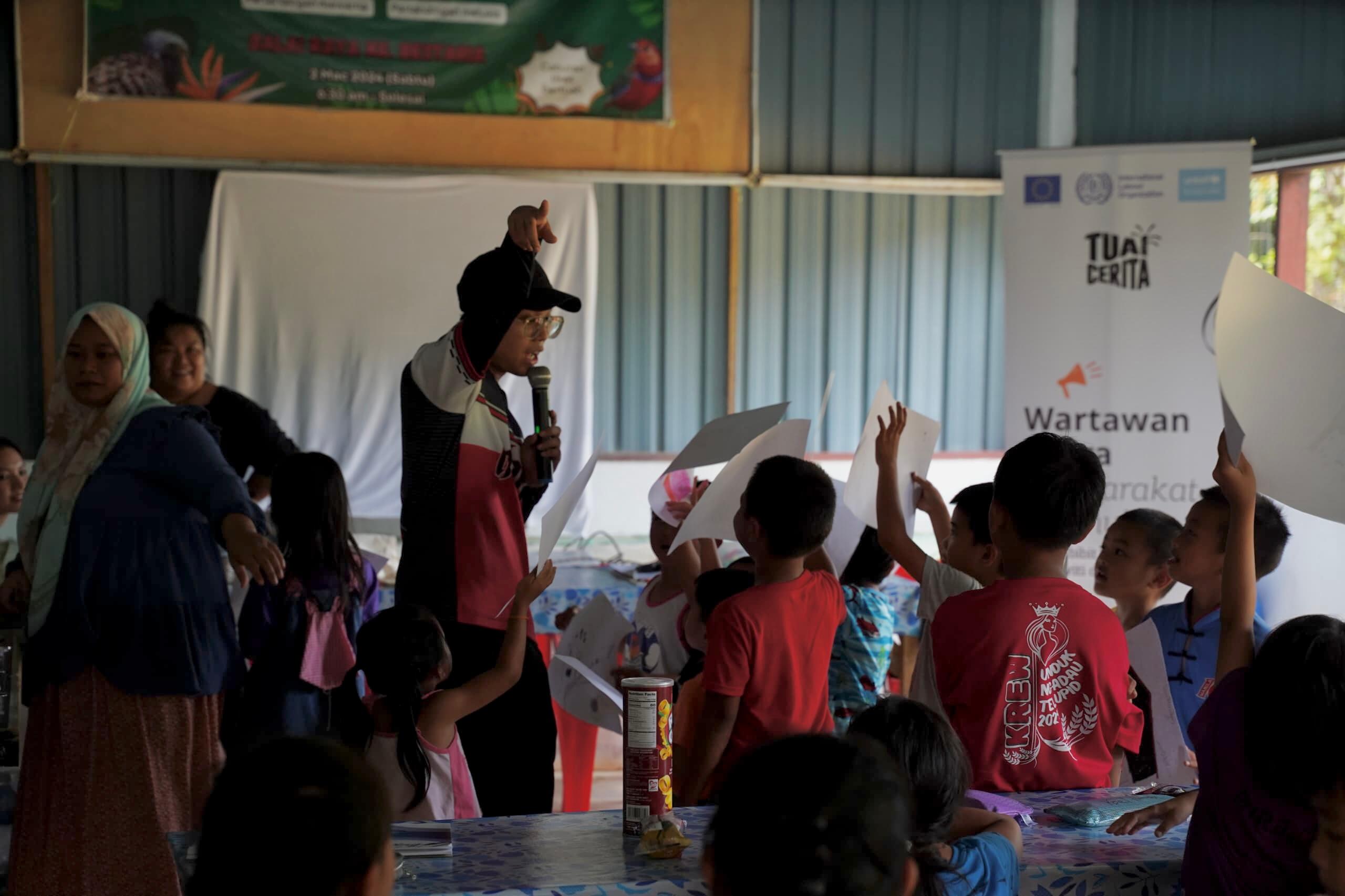
Guided by their mentors, fellows travelled to communities and alternative schools in Kota Kinabalu and Sandakan, spending time with plantation smallholders, teachers and communities.

These conversations shaped their understanding of the complexities surrounding child labour and access to education, helping ensure that the stories they produced reflected the realities of the communities themselves.

05

Content Creation

Drawing on everything they had learnt throughout the fellowship, participants produced original articles and videos that were released in conjunction with World Day Against Child Labour 2025.

06

World Day Against Child Labour (WDACL)

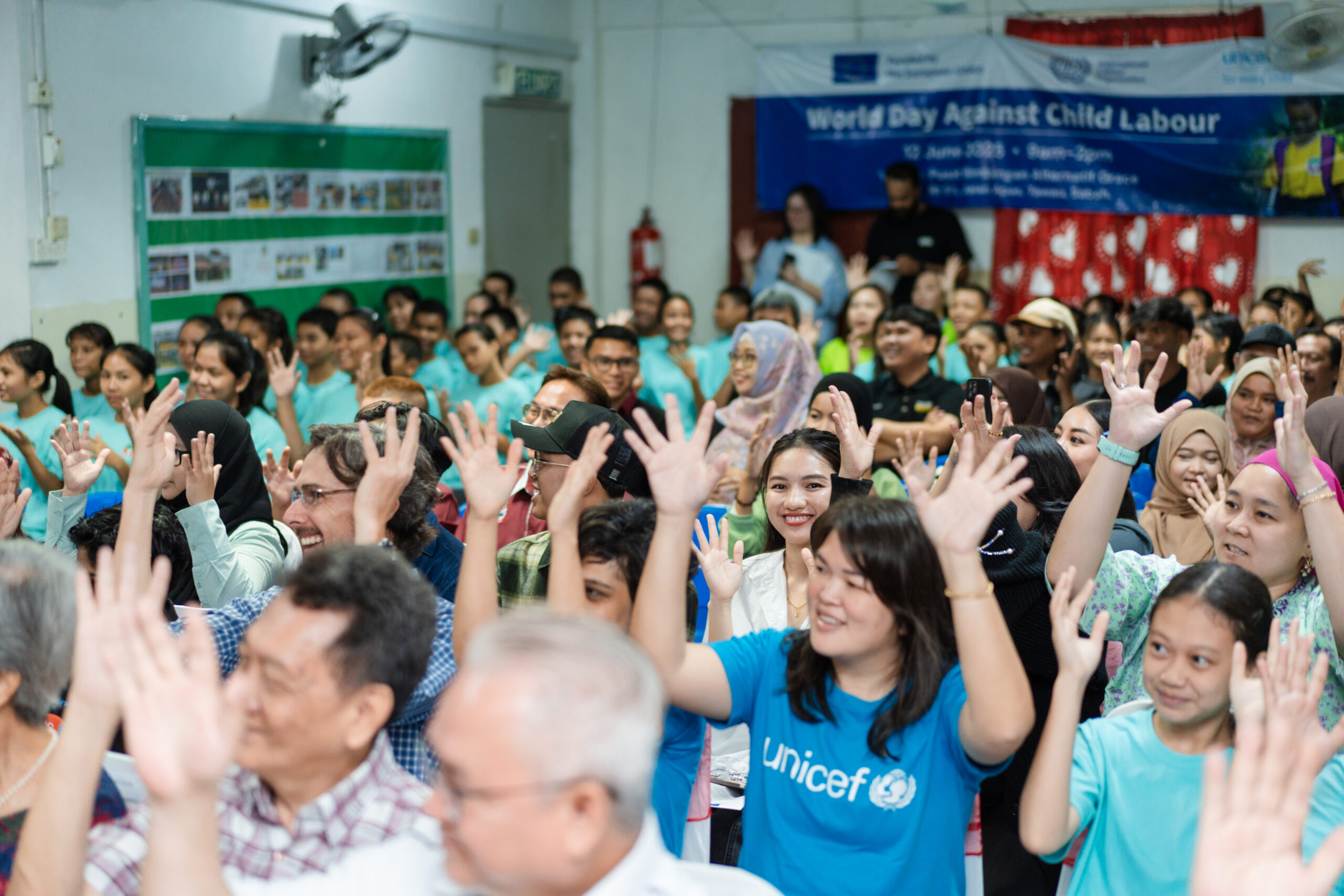
The fellowship culminated at the World Day Against Child Labour commemoration in Tawau, Sabah, hosted by Grace Alternative Guidance Centre.

Alongside celebrating broader project achievements under the EU-funded initiative implemented by the ILO and UNICEF, the event premiered a short documentary capturing the Tuai Cerita fellows’ journey and recognised their invaluable contributions to the programme.

What are the immediate outcomes after the programme?

Sparked Conversations That Matter

Beyond likes and shares, the fellowship effectively sparked important conversations around child labour and children's right to education.

Audiences shared personal experiences of working as children, reflected on the realities faced by migrant and undocumented children, and discussed why child labour remains normalised in some communities.

Encouraged Deeper Understanding of Child Labour and Children's Rights

The stories prompted viewers and readers to look beyond the surface, exploring the complex relationship between child labour, poverty, and access to education.

Many actively shared their perspectives and engaged in discussions on why the issue persists and what can be done to address it.

New Generation of Advocates

For several fellows, Tuai Cerita became more than a one-off fellowship.

Content creators and media practitioners who had not previously focused on advocacy or educational issues have continued producing social impact content after the programme, demonstrating a sustained commitment to using storytelling as a force for change.

The Impact

25

Original videos

Were published by fellows, reaching 2.98 million people across digital platforms.

27

Articles

Published online and in print, with an estimated readership of 58.7 million.

Other Case Studies

more works