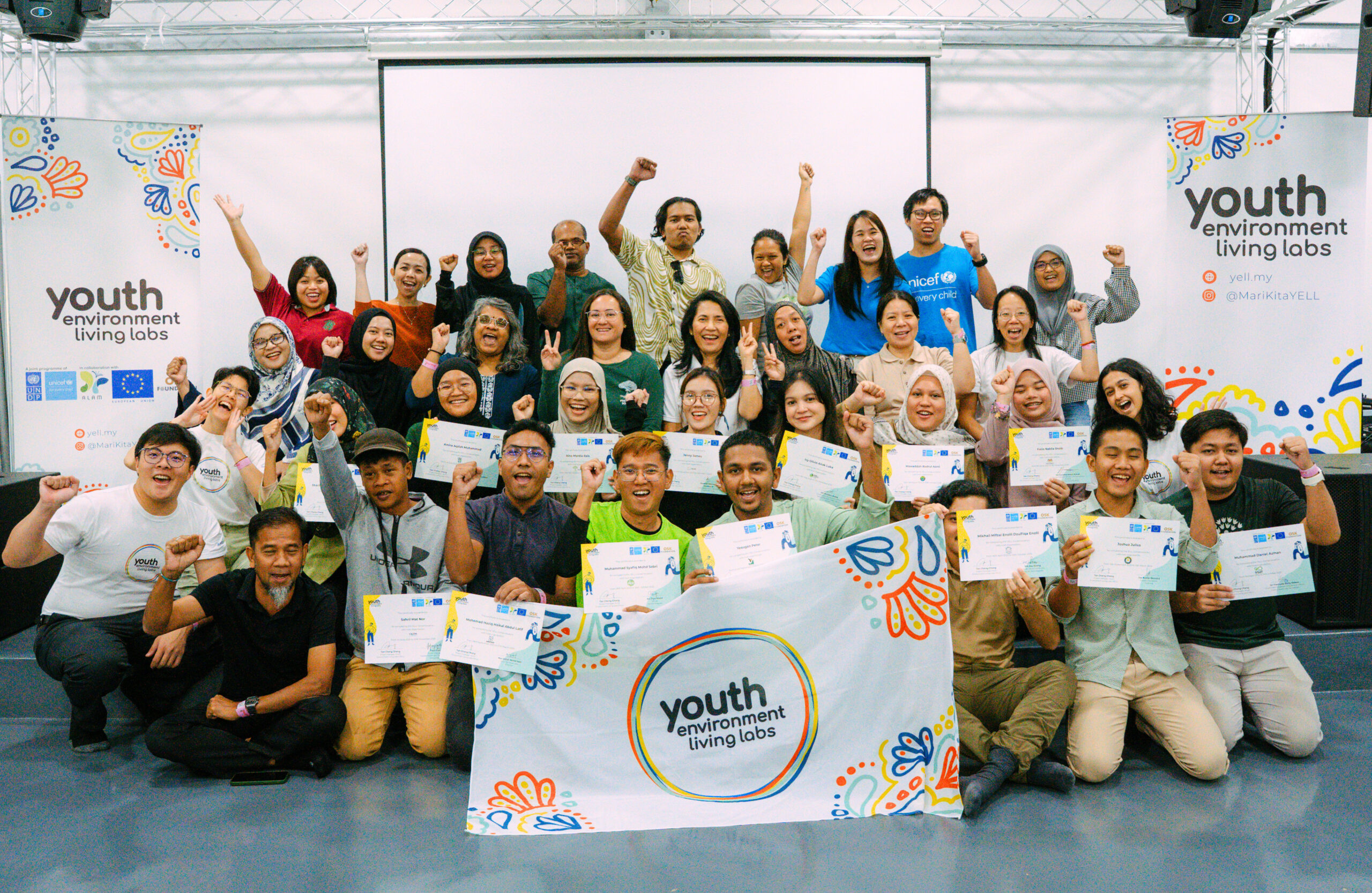
28 creators and youth leaders
championing online safety as advocates within their communities.

What's it about?
The Cause
Our Services
The Challenge
Through the Creators IRL and Youths IRL fellowship programmes, alongside the national online campaign - we empowered creators, youth leaders, and communities across Malaysia to recognise AI-driven threats, think critically, verify information, and report scams effectively.
15 content creators underwent a series of masterclasses covering online safety, AI-driven scams, ethical storytelling, and empathy-driven communication.
The fellows then produced engaging content that equipped their communities and audiences with practical advice to think twice, verify information, and report suspicious activity.
Selected youths across Malaysia brought online safety efforts to the grassroots.
Working in teams, fellows designed and delivered six community initiatives for children, youths, working adults, and older persons; using workshops, games, storytelling, and interactive activities to spark conversations about AI-driven scams and digital resilience in foundational communities.
To reach Malaysians where they already are, we combined creator-led content, in-house reels and infographics, deceptive ads that mimicked real scam tactics, and nationwide media placements - including billboard ads across three major Malaysian highways!
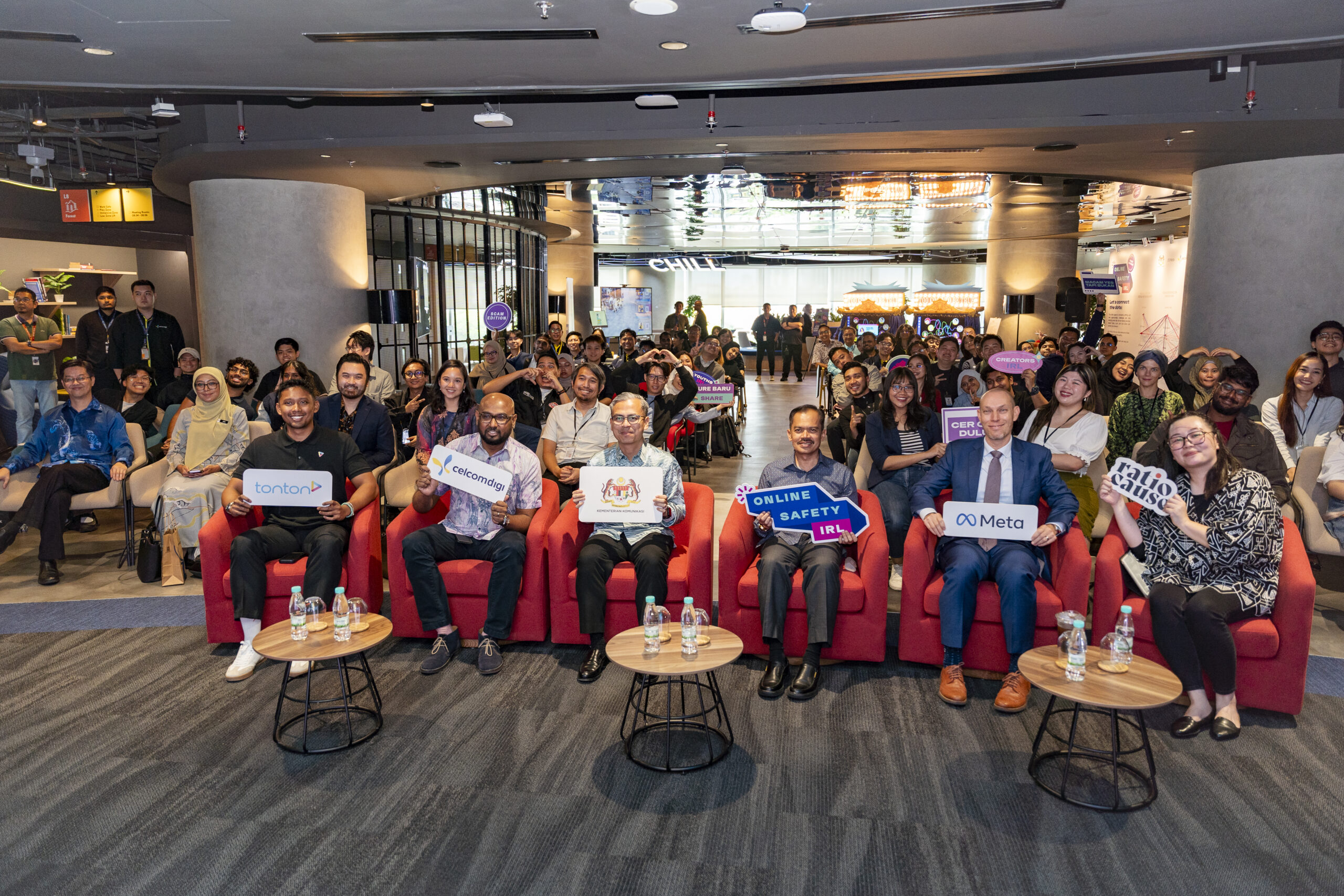
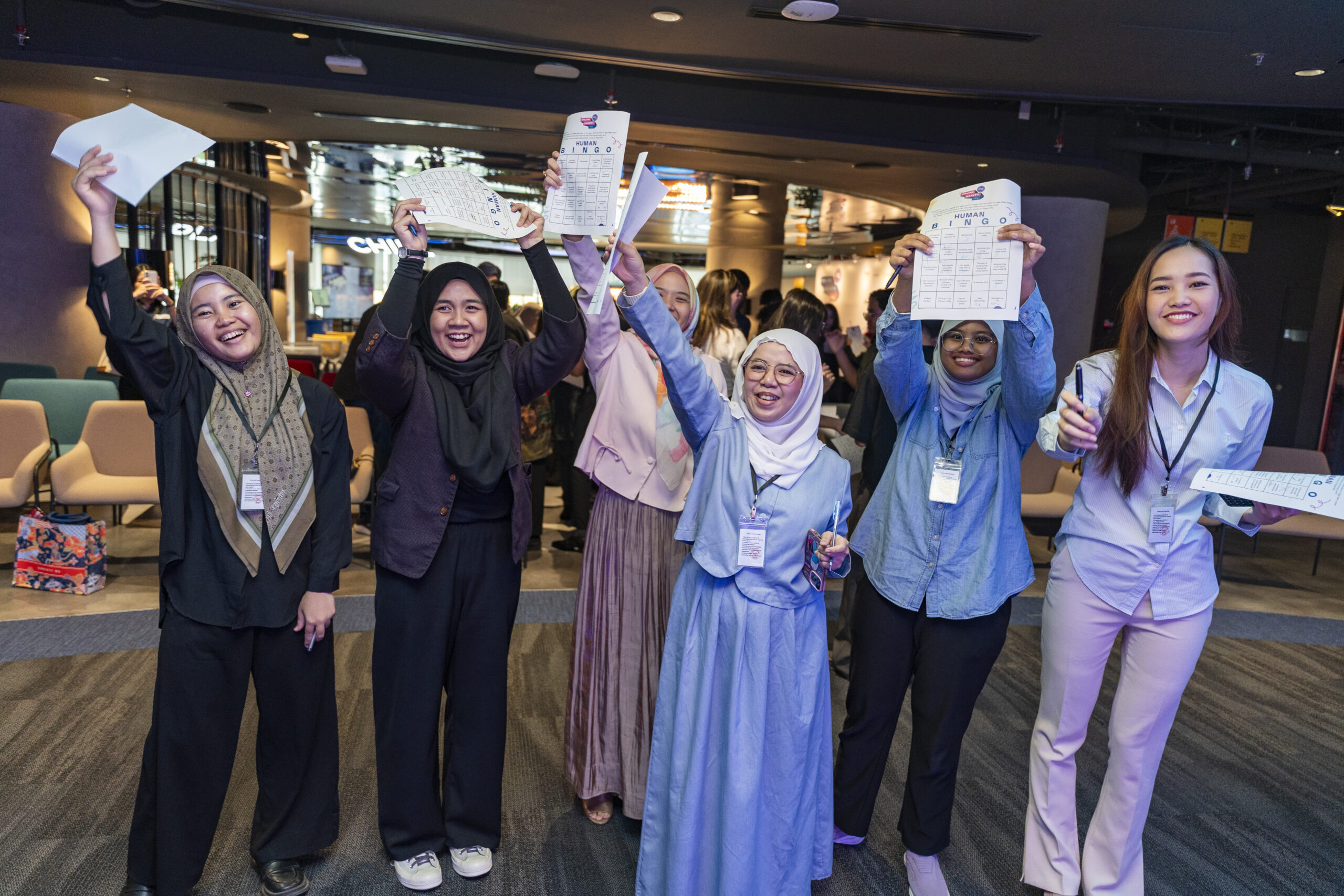
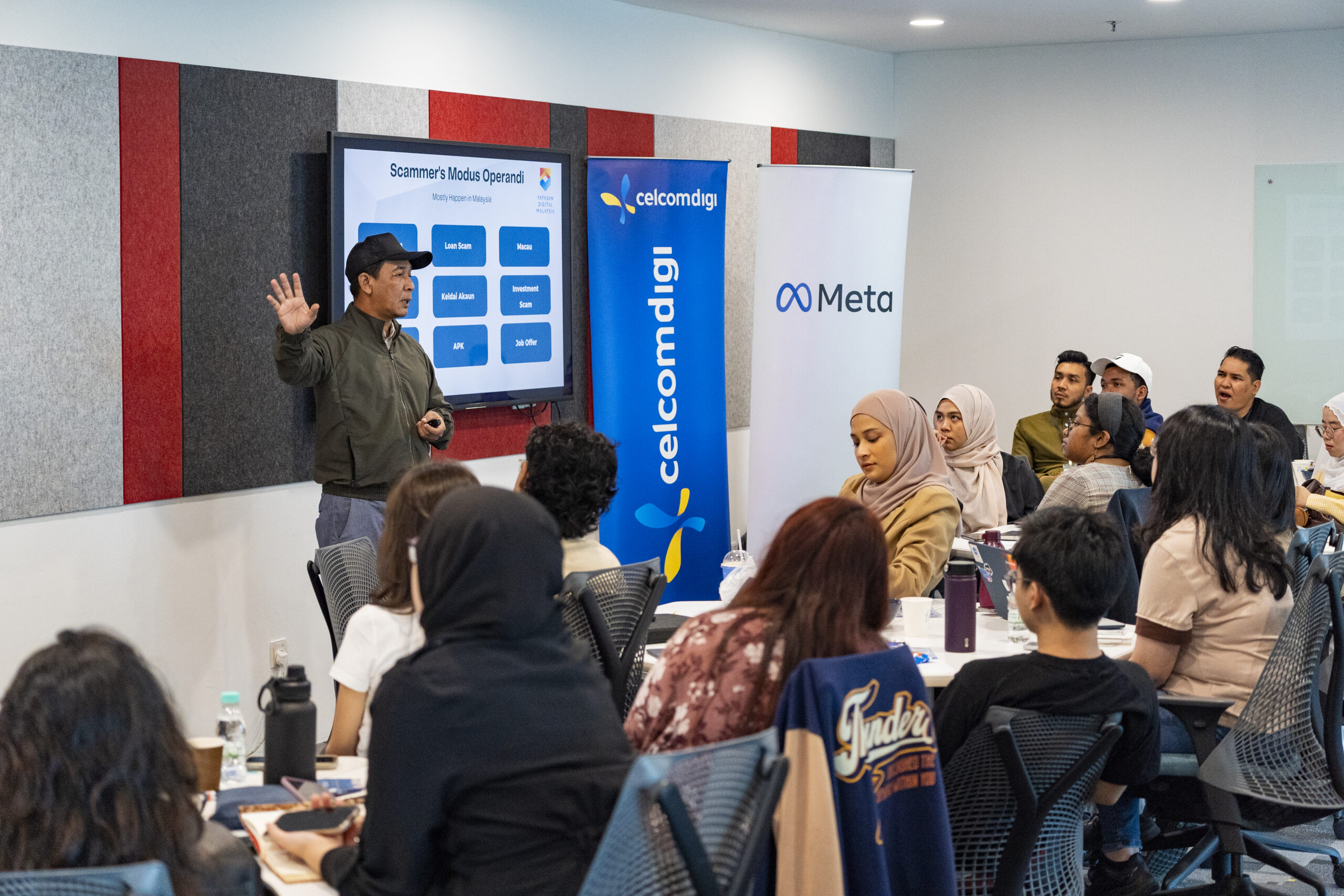



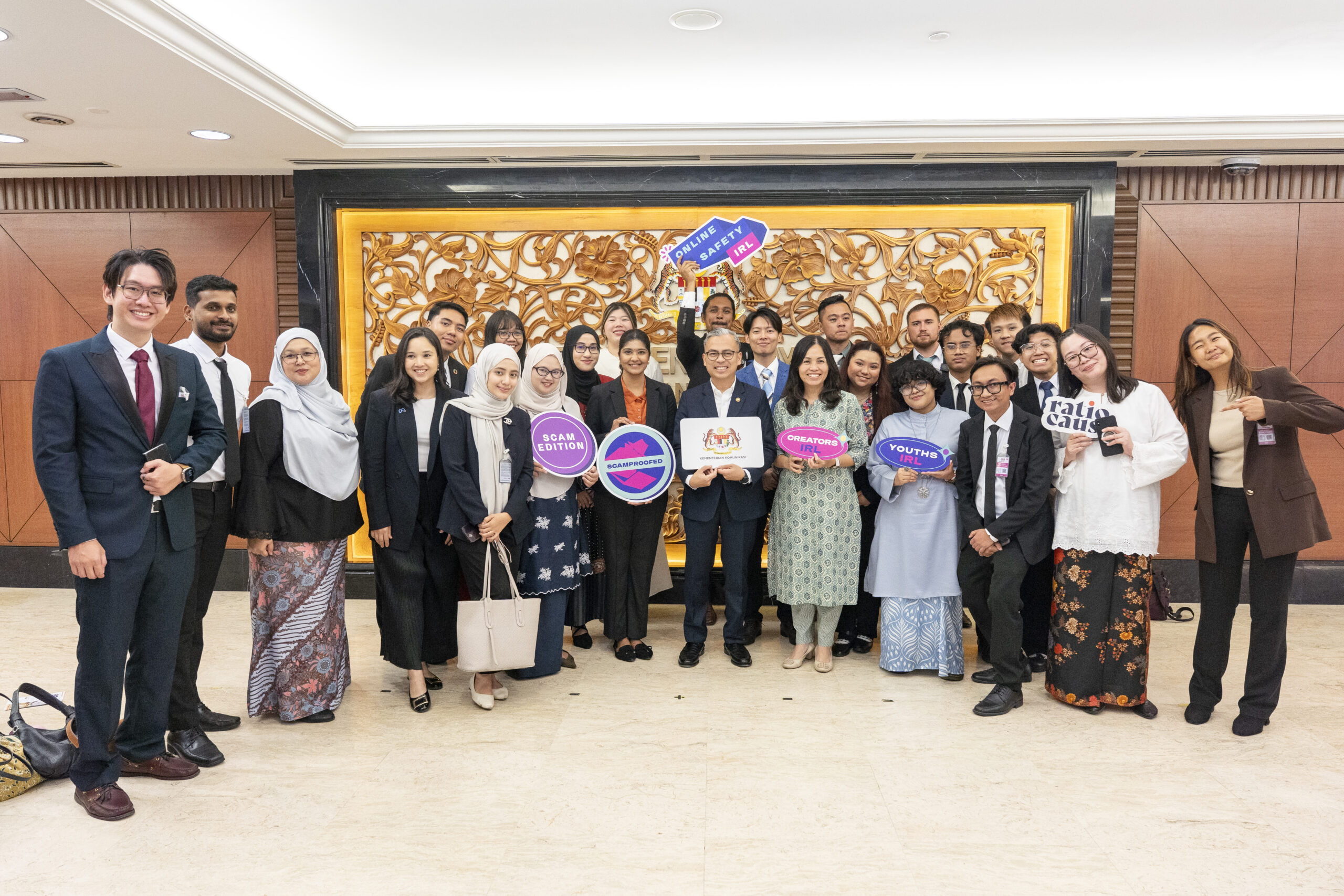

championing online safety as advocates within their communities.

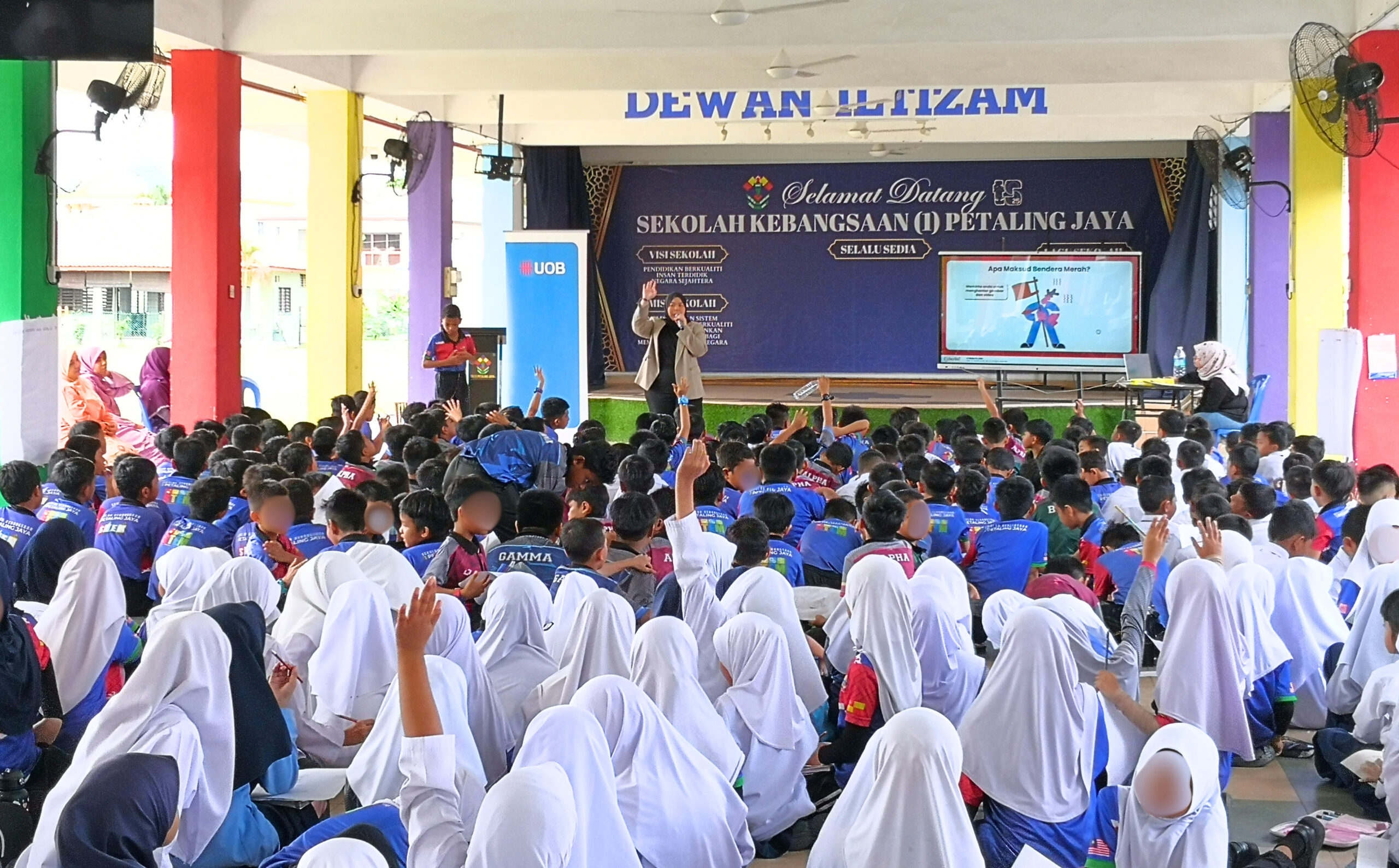
From schoolchildren to senior citizens, our Youths IRL fellows brought scam education nationwide to engage directly with vulnerable communities.

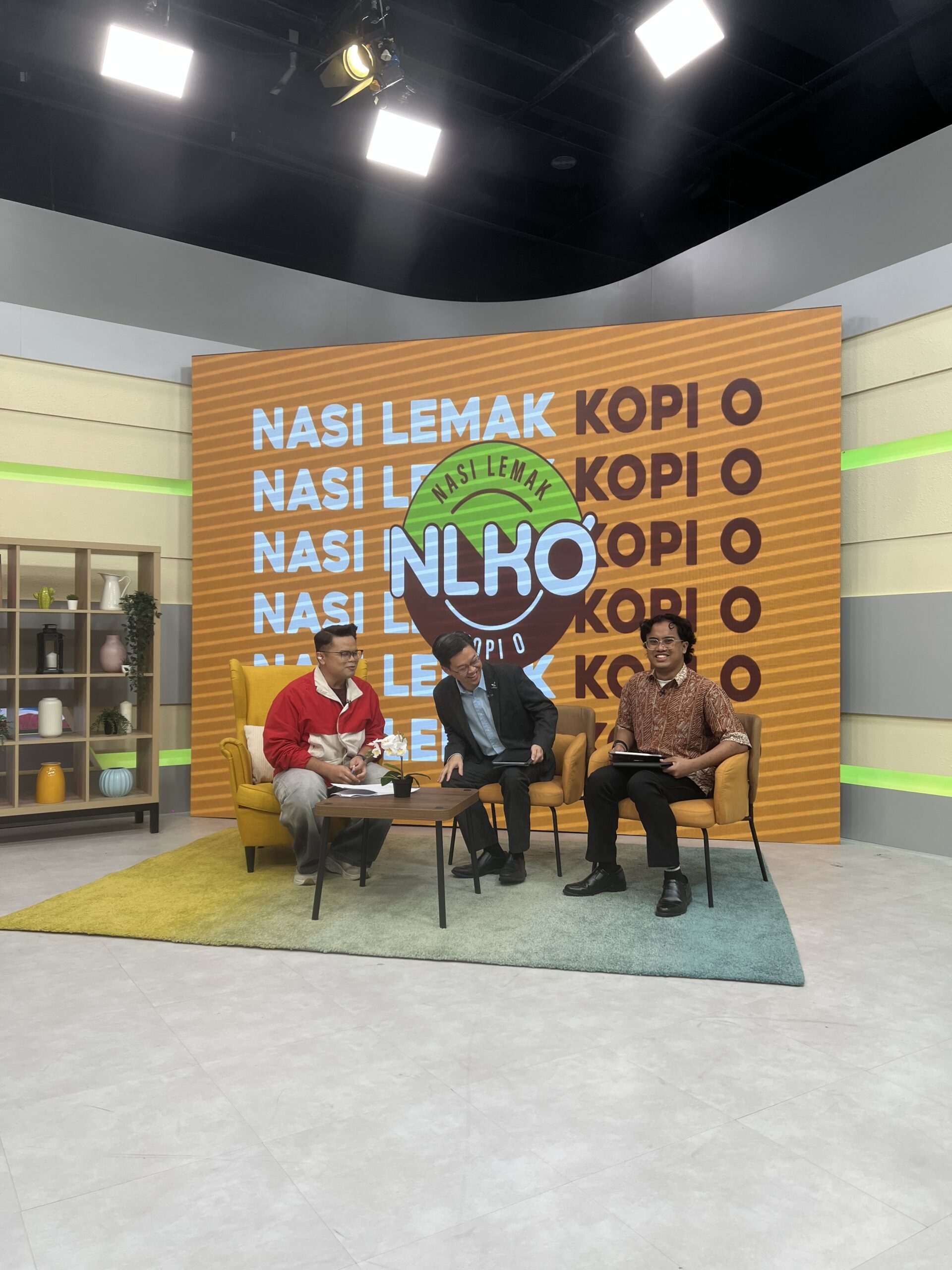
sparking necessary conversations on online scams and online safety.

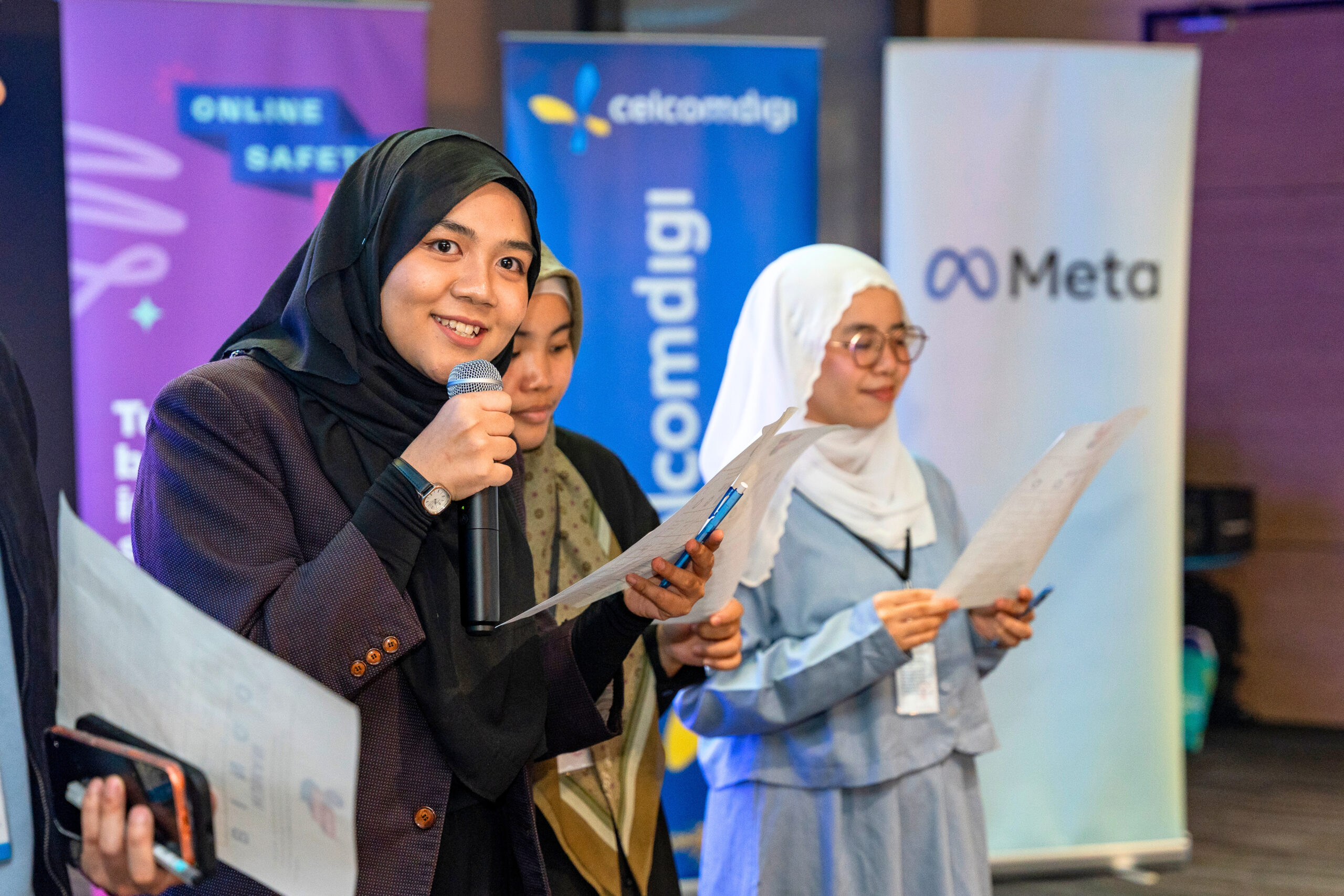
to share about scam tactics, personal experiences and insights from the programme, amplifying online safety conversations to wider audiences.
Throughout the campaign period, Online Safety IRL reached more than 18.3 million users and generated over 22.3 million views across digital platforms.
The campaign also demonstrated major signs of behavioural change.
While the first edition generated nearly 400,000 clicks on deceptive ads designed to mimic scam tactics, the second edition saw a reduction of 94% in users falling for them, despite reaching more people!
Users are no longer engaging with deceptive content, but actively resisting it and helping others to do so!